
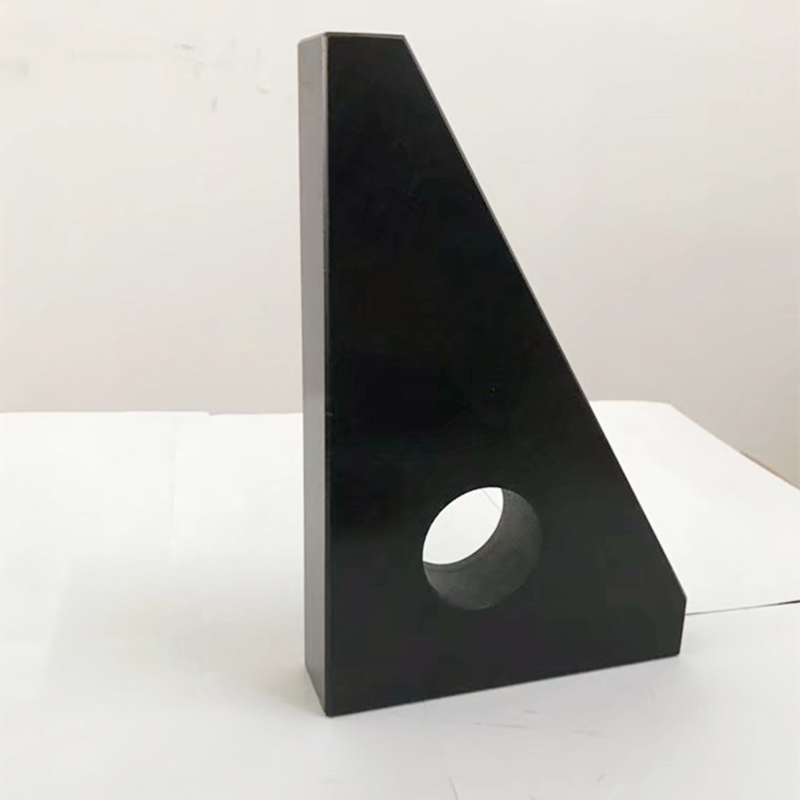
large mirror with lights
Understanding the 8% Butterfly Valve Function and Importance in Fluid Control Butterfly valves are essential components in various industrial applications, servicing a multitude of sectors, including water treatment, chemical processing, and HVAC systems. Among the various designs and specifications of butterfly valves, the term 8% butterfly valve often refers to a specific torque requirement or capacity in operational functionality. Understanding the intricacies of such valves can significantly enhance efficiency and reliability in fluid control systems. What is a Butterfly Valve? A butterfly valve is a quarter-turn valve that uses a rotating disc to control the flow of fluid. The disc is mounted on a shaft, and when the valve is turned 90 degrees, the disc either opens or closes the flow path. This mechanism allows for quick operation and makes butterfly valves an ideal choice in applications where space is limited and efficiency is crucial. The Significance of the 8% Capacity The term 8% butterfly valve pertains to a design specification that indicates the valve’s ability to handle certain flow rates or pressures effectively. This percentage often relates to the percentage of the maximum flow capacity that can be controlled or regulated by the valve without incurring excessive cavitation or loss of pressure. For instance, if a valve is rated for a maximum flow capacity and is optimized for 8% control performance, it means that it can manage flow rates that are 8% of its full capacity under specific conditions. The 8% butterfly valve is particularly useful in applications where precise control of large volumes is necessary. Industries that require regulation of fluids in variable conditions, such as power plants, food processing units, and oil and gas operations, benefit from such valves. The proportionate arrangement enhances performance while ensuring the system operates smoothly within established parameters. Key Benefits of 8% Butterfly Valves 8 butterfly valve 1. Efficient Flow Control One of the primary benefits of an 8% butterfly valve is its capability to control large volumes of fluid efficiently. The quick, quarter-turn operation reduces the time required to open or close the valve, simultaneously optimizing flow rates. 2. Compact Design Butterfly valves are known for their compact construction, making them easier to install and maintain compared to larger valve types. This compactness is a vast advantage in systems with limited space. 3. Durability and Reliability The design of the 8% butterfly valve ensures robust performance over time. These valves are built to withstand various pressure conditions, enhancing their reliability in critical operations. 4. Cost-Effectiveness Given their efficient operation and long lifespan, 8% butterfly valves can be a cost-effective solution for industries looking to minimize operational costs while maintaining high standards of fluid control. Applications of 8% Butterfly Valves The versatility of 8% butterfly valves allows their use across numerous sectors. In water treatment facilities, these valves regulate the flow of water and chemicals essential in purification processes. In the oil and gas industry, they manage the flow of hydrocarbons, ensuring safety and efficiency. Moreover, HVAC systems utilize butterfly valves to maintain air and water flow in heating and cooling systems. Conclusion In conclusion, the 8% butterfly valve plays a vital role in modern fluid control systems. Its design fosters efficient operation, durability, and cost-effectiveness, making it integral to many industrial processes. As industries continue to evolve and demand higher efficiency and reliability, understanding and implementing the appropriate specifications of valves like the 8% butterfly valve becomes increasingly essential. By leveraging such technology, businesses can enhance their operational standards while ensuring safe and effective fluid management.
about
large mirror with lights
Understanding the 24% Butterfly Valve A Comprehensive Overview Butterfly valves are a vital component in various industrial applications, acting as a quick and cost-effective method for controlling flow. Among these, the 24% butterfly valve stands out due to its unique design and capabilities, catering to specific operational needs in diverse sectors such as water treatment, oil and gas, and chemical processing. What is a Butterfly Valve? A butterfly valve is a quarter-turn rotational valve that uses a circular disc or butterfly to regulate flow. When the valve handle is turned 90 degrees, the disc opens or closes the flow through the pipe. The simplicity of its design enables rapid movement, making it ideal for applications that require quick and frequent operation. The 24% Butterfly Valve Features and Applications The term 24% butterfly valve generally refers to valves with specific characteristics—perhaps relating to their size, flow coefficient, or the degree of opening associated with control applications. Designing a valve that functions effectively in this range involves balancing several factors, including size, materials, and pressure capabilities. 1. Size and Design The 24% butterfly valve is designed to fit specific pipeline dimensions, making it versatile for multiple installations. Its compact build ensures that it fits well in tight spaces, which is often a necessity in industrial setups. 2. Flow Control Efficiency The design of the butterfly valve allows for a consistent and reliable control of flow rates. It can manage a 24% opening effectively, providing operators with the ability to fine-tune flow as needed. This level of control proves essential in applications where maintaining equilibrium is critical, such as in chemical mixing processes. 3. Materials Butterfly valves are constructed from various materials, including stainless steel, cast iron, and plastic, depending on the application. For high-corrosive environments, stainless steel is preferable, whereas, for less demanding situations, cast iron or plastic may be used to reduce costs. The choice of material also affects durability and maintenance requirements. 24 butterfly valve 4. Applications The versatility of the 24% butterfly valve finds it utilized in several fields - Water Treating Facilities In these plants, the valve plays a crucial role in the flow regulation of water being treated to ensure optimal operations. - Oil and Gas These valves can handle different types of fluids and gas, making them integral in pipelines and processing facilities. - Chemical Industries Here, accuracy is paramount, and the ability to maintain specific flow ratios with valves like the 24% butterfly valve enhances operational efficiency. Advantages of the 24% Butterfly Valve 1. Cost-Effectiveness Compared to other types of valves, butterfly valves are often more affordable to purchase and install, especially when dealing with larger pipeline systems. 2. Compact Size The design of butterfly valves allows for less space to be required in comparison to traditional gate or globe valves, which can be advantageous in limited areas. 3. Quick Operation The quarter-turn mechanism enables swift adjustments, ideal for operations requiring rapid on/off control. 4. Less Turbulence When fully open, the disc shape of the butterfly valve creates minimal obstruction, resulting in lower pressure drops and improved flow efficiency. Considerations Before Installation Before selecting a 24% butterfly valve, several factors must be considered, including - Operating Pressure and Temperature Understand the conditions under which the valve will work. - Fluid Characteristics The type of fluid, its viscosity, and corrosiveness can influence material choices. - Installation Environment Ensure that environmental factors, such as potential for freezing or exposure to hazardous materials, are taken into account. Conclusion The 24% butterfly valve serves as a reliable and efficient option for flow control in various industrial applications. With its compact design, cost-efficiency, and quick operation, it is a preferred choice for many system operators looking to optimize their operations. As industries continue to evolve, the butterfly valve will likely remain an integral component in fluid control solutions. Understanding its features, applications, and advantages is critical for those involved in engineering and maintenance within these sectors.
-

High quality industrial productsagement

High quality industrial products
View Details -

Meet the diverse needs of customers

Meet the diverse needs of customers
View Details -

Strict quality control

Strict quality control
View Details -

Top raw materials

Top raw materials
View Details -

Trusted supplier

Trusted supplier
View Details
Our application
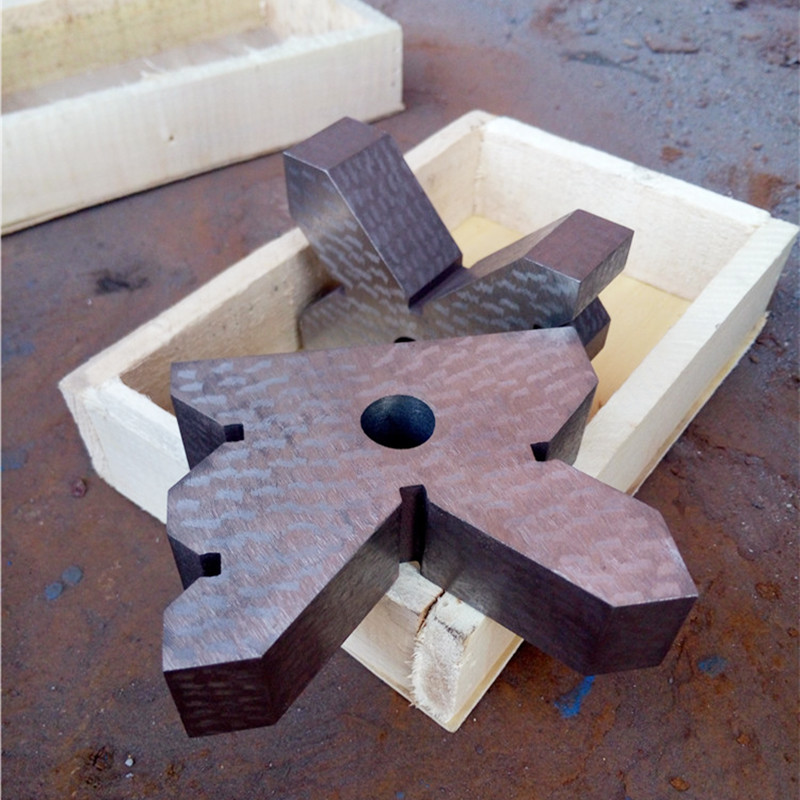

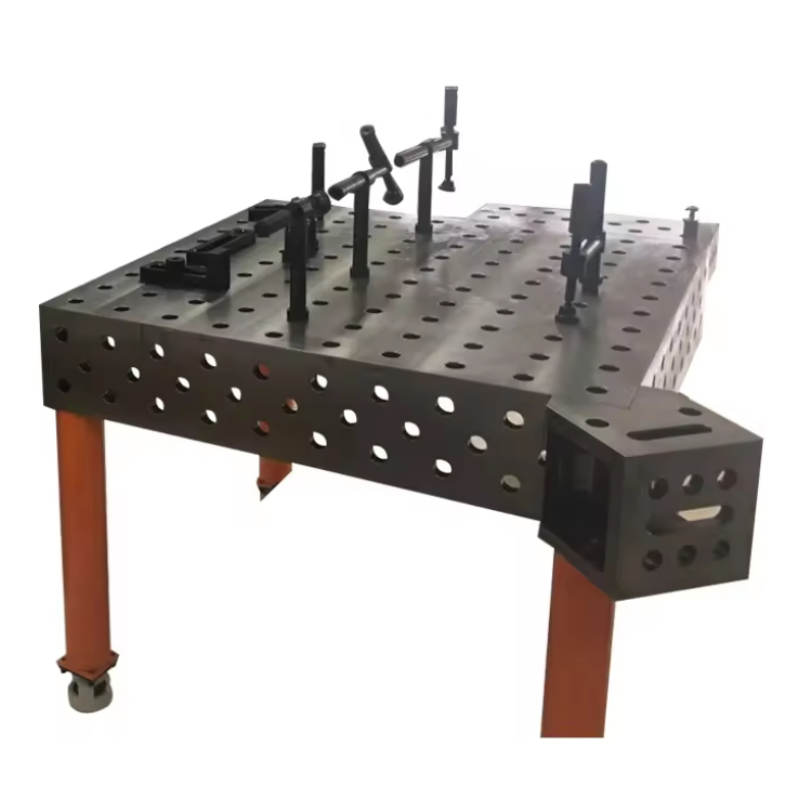

news and information
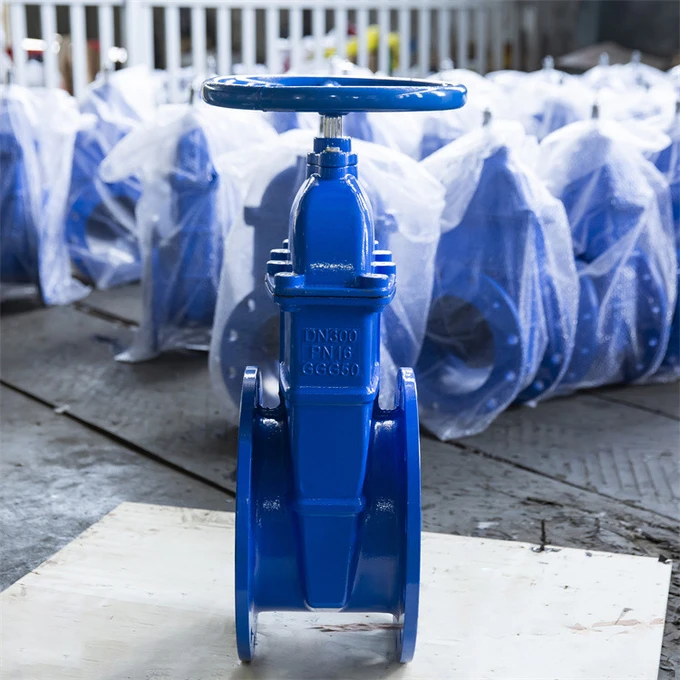
Válvula de compuerta de 500 mm para aplicaciones industriales y sistemas de tuberías
Válvula de compuerta de 500 mm Importancia y Aplicaciones La válvula de compuerta es un dispositivo

Valvola di ritegno della piscina
Valvole di Controllo per Piscine Importanza e Funzioni Le piscine sono una meravigliosa aggiunta a q

Ventil motýl s 36% průtokem pro efektivní regulaci kapaliny
Motýlové ventily a jejich význam Motýlové ventily jsou jedním z nejefektivnějších a nejběžněji použí
 English